
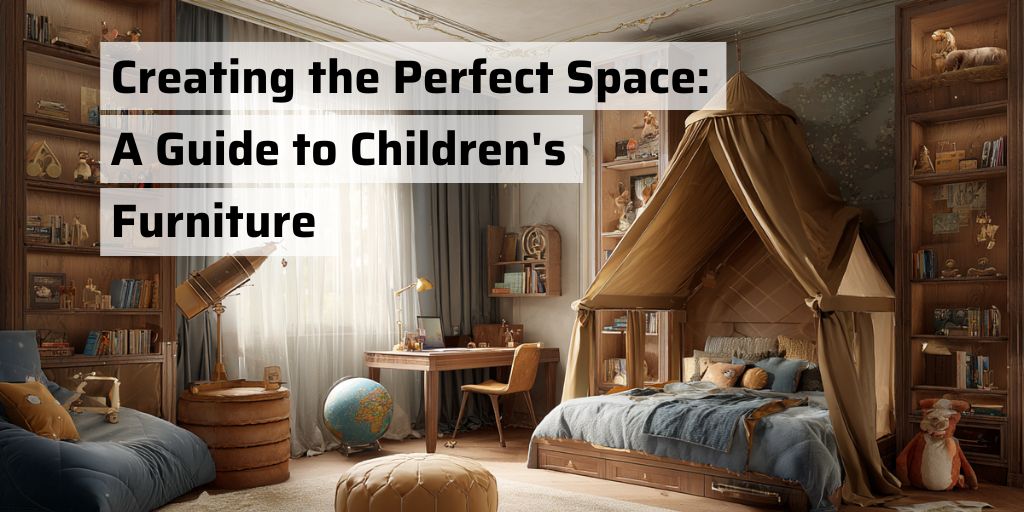
Top Tips for Designing a Functional and Fun Children’s Room
When it comes to designing a children’s room, the key is to create a space that grows with your child. This involves selecting furniture that is adaptable and versatile, allowing for changes as your child develops new interests and needs. Here are some top tips to consider:
Choose Multi-functional Furniture
Multi-functional furniture is a game-changer in children’s room design. Pieces that serve more than one purpose can save space and provide additional functionality. For example, a bed with built-in storage drawers or a desk that doubles as a play area can maximize the utility of a room. Consider investing in a cabin bed, which offers sleeping space, storage, and sometimes even a play area all in one. This type of furniture is perfect for smaller rooms where space is at a premium.
Incorporate Plenty of Storage
Storage is essential in a child’s room to keep toys, books, and clothes organized. Opt for storage solutions that are accessible to children, encouraging them to tidy up after themselves. Open shelves, toy chests, and under-bed storage are excellent options. Additionally, consider using colorful bins and baskets to make organization fun and visually appealing. For more ideas on children’s furniture and storage solutions, visit https://adekokids.co.uk/.
Design with Safety in Mind
Safety should always be a top priority when designing a child’s room. Ensure that all furniture is sturdy and free from sharp edges. Secure heavy items, such as bookshelves and dressers, to the wall to prevent tipping. Choose non-toxic materials and finishes to protect your child’s health. Additionally, consider the placement of furniture to ensure that there is plenty of space for your child to move around safely.
Encourage Creativity and Play
A child’s room should be a place where imagination can run wild. Incorporate elements that inspire creativity, such as a chalkboard wall, an art station, or a cozy reading nook. These features can provide endless hours of entertainment and learning. Additionally, consider the use of bright colors and playful patterns to create a lively and inviting atmosphere.
Personalize the Space
Personalizing a child’s room can make it feel like their own special place. Involve your child in the design process by allowing them to choose colors, themes, or decorations that reflect their personality and interests. This not only makes the room more enjoyable for them but also fosters a sense of ownership and pride in their space.
In conclusion, designing a children’s room requires careful consideration of both functionality and fun. By choosing multi-functional furniture, incorporating ample storage, prioritizing safety, encouraging creativity, and personalizing the space, you can create a room that is both practical and delightful for your child. Remember, the goal is to create a space that not only meets your child’s current needs but also adapts to their changing interests and growth over time.


